
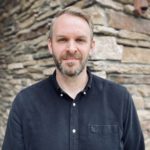




Fast-growing churches don’t necessarily impress us. More often than not, growth reveals the areas where churches are actually stuck. But every once in a while, we run into a church that is both growing and healthy.
City Church in Fort Wayne, Indiana has seen 51% year-over-year growth. But they’ve experienced more than a bump in attendance. They’re seeing growth in groups, serve teams, discipleship, baptisms—you name it. And if you’re leading a fast-growing church, you know how rare that is.
In this episode, I got to sit down with Pastor Chris Freeman to talk about the remarkable growth story of City Church and how they managed to stay healthy through intentional decisions, leadership, and strategic planning.
- The Challenging Reality of Rapid Growth
- Reaching the Lost & Discipling New Believers
- The Value of Having Leaders of Leaders on Your Staff
Don't hire doers. Hire leaders who can develop people. [episode 455] #unstuckchurch Share on X Lost people are the very best at reaching more lost people. [episode 455] #unstuckchurch Share on X Every organization is one or two hard conversations away from their next level of growth. [episode 455] #unstuckchurch Share on X

This Episode Is Brought to You By PlainJoe, a Storyland Studio.
Unlock the power of story in your worship space. The creative, passionate team at PlainJoe, a Storyland Studio, works with churches to create beautiful, engaging spaces that connect with your community. They’re a team of architectural, design, and branding experts who transform worship spaces into attractive, engaging hubs for the community.
Reach out to their team at PlainJoe.net and dream up the bright future of your church.
Get the Leader Conversation Guide
Opt-in here and get access to the Leader Conversation Guide for this episode and to the full archive. Emailed each Wednesday.
Share Your Thoughts and Questions on Social Media
We use hashtag #unstuckchurch on X @unstuckgroup and on Instagram @theunstuckgroup.
Write a Review—It Helps!
Your ratings and reviews really do help more pastors discover the podcast content we’re creating here. Would you take a minute to share your thoughts? Just open the podcast on iTunes on your phone or computer, click Ratings & Reviews, and leave your opinion. Or leave us 5 stars on Spotify.
Transcript
Sean:
Well, welcome to the Unstuck Church Podcast. I’m Sean Bublitz, Managing Director here at The Unstuck Group. And if you’ve listened to our podcast for a while, you know that just growing churches, growing church attendance, building a big crowd isn’t necessarily what impresses us. Big crowds can sometimes hide a lot in terms of health, but every once in a while, we run into a church where there’s significant growth happening, but they’re healthy at the same time. And all of that growth is happening for the right reasons. And that’s actually the conversation that I want to share with you today.
Before we go there, though, I wanna stop and say thanks to PlainJoe Studios for sponsoring this week’s podcast. You know, the most recent Unstuck Church report that we just released a couple of weeks ago, said that on average churches were in the report, were actually growing about 12% year over year. And that means, of course, a lot of churches right now are paying more attention to their facilities, their worship spaces, their gathering spaces. Well, the creative team at PlainJoe Studios actually works with your church to create really beautiful, engaging spaces that connect with your people and with your community. They have a team full of architectural and design and branding experts who can help come in and really transform worship spaces into compelling experiences for the community. So, if that’s an area your church could use some help, you should reach out to them today at plainjoe.net.
So, I had the privilege of working with Pastor Chris Freeman at City Church in Fort Wayne, Indiana, twice over the last five years. And if you look at the numbers, City Church is the second fastest growing church in the country. They grew by 51% year over year. But honestly, that’s not the part that stood out to me as I worked with Chris’s church. What stood out was the kind of church that’s growing. City Church is a remarkably diverse church, both ethnically and generationally in a way that I think a lot of churches aspire to. But as we look at their church, it’s not that just attendance is climbing; their discipleship metrics, group engagement, serving, baptisms, even leadership engagement, are all keeping pace with that growth, which is very unusual.
If you know anything about fast-growing churches, that almost never happens. Usually the front door blows open and the back door takes a while to catch up. So growth doesn’t build health necessarily in churches. It reveals where the health already is. And at the same time, where you need to spend some time and attention to getting healthy. Now, don’t think that City Church has it all figured out, and I think Chris even wanted me to share that. He and his team are wrestling with some really significant challenges. They’ve grown so fast that they are significantly understaffed. They’re running outta room in both worship seating and in the parking lot. And they have a lot of good options for what’s next, how to kind of grow into all of this. But they just wanna make the right call, and it’s a hard decision to make. So rather than me telling their whole story, I wanted you to hear it from Chris in his own words. So, here’s my conversation with Chris Freeman.
Well, Pastor Chris Freeman, it is so good to have you on the podcast. Gosh, back in, I think we first met back in 2021, if I’m right.
Chris:
That’s right.
Sean:
I got to come over and visit City Church and the Unstuck Group we got to engage with you guys and help you through a season then. And it was a weird time. I mean, we were kind of still in the midst of COVID at that point. You guys were in an interesting spot as a church, and there’s been a lot of transition since then. And then I got to come back and visit in January of this year, come back and visit your church. And man, God has been doing some amazing stuff at City Church in Fort Wayne, Indiana, which for me as a fellow Hoosier, I’m just so happy to see healthy, great churches in Indiana.
So Chris, I just thought for our podcast listeners, they had to hear your story because of the remarkable work that God’s doing through you all through your team at City Church. So, you know, when most pastors hear second fastest growing church in America, which you show up on that list for whatever that’s worth. Some people like that, some don’t. But there you are. Second fastest growing church. A lot of pastors immediately wanna know, how do I do that? Right? But growth at that pace, the pace that you’re growing at, usually goes back to several key decisions that you made, not one thing. So looking back, if you had to name the decisions that led you to what you’re experiencing today, what are they?
Chris:
Well, again, thanks for having me on, Sean, and it’s a real honor to be able to have this conversation. I’m a long-time listener; I’ve listened to probably most, if not all, of the podcasts from the Unstuck Group.
Sean:
Oh, that’s amazing.
Chris:
And actually, our executive pastor, when we hired her, I sent her several episodes to listen to, and she listened to them, loved them, and actually went back, and she listened to every single episode.
Sean:
Wow.
Chris:
So she’s listened to every episode of The Unstuck Group Podcast, and lots of other resources you guys have provided for us. So it’s cool to be on this side of it now, having this conversation. And so I’ll just throw that in there. Not that I’m on the show to, you know, promote The Unstuck Group, but that decision has been a factor.
Sean:
I love that.
Chris:
And I would maybe just add to that the decision to be a learner and continue to grow and improve all along the way, has been key. But yeah, as you think about, you know, the key decisions, the first one I would pinpoint is: City Church started in 2016, but we had a mother church, and we were kind of underneath of their umbrella for the first three years. So we started in November of 2016, and then in January of 2020, we became our own autonomous church. That was always the plan that we would become our own church in every way, legally, financially, everything. And that happened January of 2020, and then three months later, COVID came. And, you know, here we are a 3-year-old church in some ways, but legally a three-month-old church on our own. And it’s like, okay, here we go. What’s gonna happen?
And, one decision that was really critical for us was in April, maybe early May, late April of 2020, we were made aware of an old grocery store that was on the market. It was available, and we were asked if we would be interested in acquiring that property. We were renting space for our church set up, tear down, kind of set up every week. And we were told about this property. And at that point, nobody was meeting in any building in America. I mean, this was like the early stages of the pandemic. And we were like, are we really gonna go look at this property and seriously consider making this purchase when we don’t know what the future holds? But myself and our elder team, we sat down and had the conversation, and really the conversation centered around, would making this purchase move us closer to the vision that God has given us as a church or not? And, we felt like it would, and so we walked through a process, the owner of the property was very gracious to give us some time to do our due diligence and walk through that process to make that purchase.
But I, as I look back on it now, even then, like, or even now, that’s a, it was a big purchase. It was a million dollars. Now it’s, you know, an almost 60,000 square foot facility, 10 acres of property in the urban core of the city. So that’s a miracle in and of itself to, you know?
Sean:
Right.
Chris:
Buy a property for a million bucks, but for a three-month-old church and at most 3-year-old church, that was a huge leap of faith for us to take at the height of COVID. But now I look back on that, and I’m like, man, look at what God has done through that step of obedience and that step of faith. So that was one big decision.
And then honestly, another really pivotal decision for us was experiencing some growth pains and trying to figure out how to come out of COVID. And it’s a new landscape. Everything’s changing. Our staff, we were so understaffed, all of our staff were part-time, and we were just trying to figure out how do we do this? And so we had heard of the Unstuck Group, and we just said, we need some help somewhere. We need somebody with fresh eyes and an outside perspective who knows a little bit about church problems and church challenges to come in and work with us. And so we brought you guys in in 2021.
And one of the changes that, I don’t know, I was anticipating being so central to our ability to grow was some of the structural changes we made in how our elder team operated. You know, we were, we were just inheriting what our mother church had given us. And so we were operating under some of those same practices and principles, which worked great for them, but didn’t for us. And we went through some structural changes to, enable us to make some decisions a little quicker, more efficiently, and more effectively working through some decision-making rights, tools and resources. And learning how to work together well so that we could do effective ministry at the rate at which it was coming to us. And so I think about that. And then I also think about just some of the hires that we’ve, we’ve made, we went through the staffing and structure process with you guys as well. And we had to, reevaluate, you know, how we were structured and if we were actually structured for the future, or just trying to manage what is. And we made some changes there that really helped us out a lot as well.
Sean:
Yeah. Chris, I can see how all of that laid such a great foundation for where you are now with, I didn’t mention this before, but 51% year-over-year growth at your church, which is just unbelievable. But, I’ve been in your facility; I’ve been in that building. You guys did an amazing job of taking an old grocery store, which even when you said old grocery store for a million dollars, I thought, old grocery store for a million bucks, that seems like maybe you got taken, but you guys have done a phenomenal job with that space. It looks beautiful. It matches the part of the city that you’re in.
And then the pace that you have to make decisions right now, if you didn’t have a decision-making structure at your church that was agile, that would be a significant block for you. Just because of the growth in all that you’re going through, so, so wise to take the time to lay that foundation. I think that’s part of what’s kind of fueling your growth right now. I wonder, just look back at the last few years, Chris, what surprised you the most about the last few years and what you’ve been through? And then maybe to add to that, what turned out to be easier or even harder than you expected through that season?
Chris:
Yeah. It has been a wild ride. Sean, I’ll tell you, when we first planted City Church, I prayed to God, this was 10 years ago, so we’ll turn 10 this November as a church. But when, we first planted, I prayed to God and pleaded with him that he would allow us to one day become a church of 200 people. That was the vision, that was the dream. That was the hope. And, you know, we launched our church, and immediately we were 200 people. And so from that point forward, it was like, all right, God, this is all on you. Everything else is your vision. Like I’ve reached the limits of mine. Everything else is whatever you wanna do here.
And so we moved into the facility, we’re in now a little over two years ago. It was April of 24 that we moved into this facility. And we were a church of about a thousand people before moving into this facility. And we knew all the statistics of when you move into a permanent. You go from portable to permanent, you’re gonna see a bump 20%, you know, at most, maybe 50% in the next two years of growth. And so we had kind of prepared ourselves for, hey, we may see a couple hundred to 500 people come to this church in the next two years. And we have gone from a church of a thousand to now almost 3000 in that two-year window.
Sean:
Wow.
Chris:
And I just did not expect that. Nobody did. We were not prepared for it. Nobody was prepared for that kind of radical, explosive growth. And then the other thing I didn’t expect was how many of those people would be people who’ve never been to church before in their lives. You know, we’re in the Midwest; we’re in Fort Wayne, Indiana. You would think. You know, actually, Fort Wayne is known as the city of churches. It’s kind of this, you know, statement that they, they throw around on the news, here in town; it’s the city of churches. And I’ve done some research on that and found out that that was given to the city over a hundred years ago. And it’s no longer true, but people think it is. They think everybody goes to church here in Fort Wayne.
Sean:
Interesting.
Chris:
But there are so many people who have never been to church before in their lives, particularly in our context. And so, we actually just yesterday had another baptism Sunday; 38 people were baptized yesterday. That puts us at 166 people getting baptized so far this year. And since we’ve moved into this building, a little over two years ago, we have baptized 894 people.
Sean:
Unbelievable.
Chris:
And so the amount of people coming to saving faith in Jesus here is one of the biggest surprises to me. And I feel bad saying that you’re a pastor. You should expect that you should want that. And I did. And I do, but just could have never, never dreamed that in any way that we would see that kind of growth. And then you asked, you know, what, what’s been easy? And then maybe what’s been hard I think about all that.
Sean:
Right.
Chris:
So what came easy, I think is, the growth itself. Like I said, we, we don’t market, we don’t promote. We have never spent a dime trying to market our church. We don’t even have a social media person. Like our social media is pretty terrible if you ask me. Like, we have a lot of room to grow there. But, but what we found is that lost people are the very best at reaching more lost people or newly found people. People who’ve just met Jesus, they are the best at bringing their friends. And so somebody will come to church, and they’ll meet Jesus, and then they’ll go bring their seven lost friends the very next week. So, yeah, that’s been in a lot of ways easier than I expected.
What’s been harder than I expected on the other side of that then is stewarding that growth and discipling so many brand new baby Christians. And so, in the last two years, we’ve created some initiatives out of that because we were starting to see some real problems where you’ve got brand new Christians, but they don’t have a faith background. They didn’t grow up in a home where they were taught about Jesus, or even taught about morality in a lot of ways. And so we have a lot, a whole lot of young men who are coming to our church, they’re giving their lives to Christ, but they don’t know what they don’t know. And so they’re still kind of stumbling over themselves and making some pretty significant mistakes, and it’s causing harm in their lives in other ways.
And then they’re coming back to us saying, I messed up. What do I do now? And instead of responding to that, we said, man, we continue to, it’s like whack-a-mole. Like we’re trying to respond to all these issues. And so we said, let’s get in front of that. And so we created a class called Act Like Men, and then another one called Be Bold Women to teach young men and young women what it means to be a godly man. And so many of them just didn’t know. And so we’ve just been trying to teach them, you know, starting at the basics. And I remember the very first class we had, you know, a whole lot of young men in the room. And I said, open your Bibles to Genesis chapter one. And one of the guys sitting at the table looked at his table leader and said, “Can you help me find that?”
Sean:
Wow.
Chris:
Like, didn’t know Genesis one. Like, this is the beginning of the Bible. Like literally had never cracked open a Bible before in his life. We gave every guy a Bible. So he had one sitting in front of, it was the first time he ever opened a Bible.
Sean:
Unbelievable. That’s great though. I’d love that somebody like that is sitting in your church. You know, Chris, I’ve been in your building, and there’s this area, actually backstage. There’s this wall where everyone who gets baptized at your church they write their name on the wall.
Chris:
That’s right.
Sean:
And it is a really compelling wall to walk by because the hundreds of names, like you just said, that are there, really speaks to the fact that you aren’t just reaching people who are part of other churches. Now, I’m a part of another church, but if I live closer to Fort Wayne, I’d love to be a part of City Church. It’s just a great place to be. But one of the things that you’ve done is, you know, people are showing up to attend church on the weekend. Gosh, Chris, I walked into your worship space. There weren’t any seats left. I went out and sat in the open seating area in your atrium ’cause there weren’t any seats left at the service I was at. In addition to that, you asked me to go out and walk through the parking lot. I went, I walked through the parking lot looking for open spaces. There weren’t, I mean, there were very few open parking spaces. More people are showing up at your church regardless of these lids that you’re hitting; there is not a lot of space left, but people still feel the weekend compelling.
Now, here’s what I find really interesting about your church, Chris. I’ve seen that before in other churches. What I don’t commonly see is that all of the other metrics in terms of engagement, like you just talked about, this class experience where you’re getting people connected in relationships through groups. You’re getting people connected to serving, you’re getting people connected to volunteer leadership. All of those metrics, as we went through your data, we’re in an incredibly healthy place along with this rapid growth that you’ve experienced. And so that, that really is an anomaly. And most fast-growing churches that we see, they end up with a backdoor problem. Meaning they have all these new people that show up like you have, but all those engagement metrics lag behind. So your groups in serving numbers, like I said, they are exceptional. What do you think that you’ve done to help get new people engaged at City Church? What’s been successful for you there?
Chris:
Yeah. I think, one of the things that we do really well is just continually cast the vision of what it means to be a part of City Church. That’s something that I do regularly, but not just me. All of our leaders do. And we have unbelievably easy on-ramps and low barrier to entry to get involved in the church. And so, we don’t have formal membership at our church, but we regularly say, here’s what it means to belong here: that you attend church as much as you possibly can, attend every weekend if you can. That you get involved in a group, that you serve on a team, and that you start to give sacrificially to this church body. That’s what it means to belong and to be a member here. And again, we don’t have a formal membership, but we just continually put that in front of people and then we invite them into that. And not just me, not just our staff, but all the way down through every level of leadership, including all volunteer leaders within the church.
And one of the things that we also preach regularly because we truly have a heart for the lost. And we expect it. Like it is central to my preaching, central to everything that we do, that we expect there will be lots of people who do not believe in Jesus, who are showing up at our church, ’cause they’re curious, they wanna know more. They wanna learn more. And so this throws people off sometimes, but we say, Hey, listen, you can even serve without knowing Jesus. Like, we have roles for you to serve here in the church. You can’t serve in our discipleship area if you haven’t committed your life to being a disciple of Jesus. But you know, you can serve on our parking lot team. You can serve on our greeting team, you can serve in our coffee, you can serve on our usher team without even being a follower of Jesus.
And we’ve seen a lot of people take that step. And they start serving just because they, they like the church, they like what they’re experiencing, but they’re not sure if they’re ready to make that commitment. And then through that relationship serving with somebody else, we also teach all of our people who are on those teams, especially those who have made the decision to follow Jesus, that they are making disciples while they’re serving. And so you’re putting somebody who’s lost next to somebody who’s found, they’re rubbing shoulders together, they’re serving together, they’re sharing their story. And a lot of people come to faith in the parking lot or on the coffee team or greeting in the lobby on a Sunday morning.
And then the same thing is true about our groups very, very easy on ramps and off ramps. So we do them one semester at a time. And we say every group ends at the end of every semester. Now, if you want to keep the same people and start it up again the next semester, you can. But what we found is that people don’t like to jump into a group if it’s an indefinite commitment. Because they don’t know these people yet. But if they can say, Hey, you know what, I’ll give this a try. I’ll do it first semester. Worst case scenario, it’s awkward. I don’t like it. It ends in a few months, and I can move on with my life. But creating those easy entry points.
And we’ve trained all of our group leaders, to be evangelistic. So we found a lot of people will come to their next door neighbor’s house because they’ve built a relationship over the years first, and then they’ll come to the church building. And so they’re joining a small group before they’re even coming to church on a Sunday.
Sean:
Wow.
Chris:
And then the last thing I would say we do is, you know, I’m all for like having pathways and, you know, a 101, 201, 301. A lot of churches do that. But for us, we just say, take a step. Some people, they’re gonna serve first. Some people, they are gonna join a group first. Some people, they’re gonna go to a mid-size Bible study first. Whatever it is, just take a step. We just want you to take a step forward in your faith. And when you do that, then it’ll lead you to the next step.
Sean:
Yeah. I love that. Chris, another thing that’s unique about your church is who you’re reaching. So when you think about who City Church is uniquely positioned to reach in Fort Wayne, Indiana, who is that? How does having that type of clarity of who you’re reaching shape what you say yes to and what you say no to as a church?
Chris:
You know, our vision as a church is to be a multi-ethnic, multi-economic, and multi-generational church. And, you know, in theory, what that sounds like is we’re a church for everyone. And yes, that’s true. We are a church for everyone in some senses, but in some senses we’re not. Meaning that there are a lot of people who don’t actually want that. They don’t wanna be a part of a multiethnic church or a multi-economic church, or a multi-generational church. And so we’re not for you if you want a homogenous church, like if you’re looking for a church where everybody looks like you, thinks like you, has the same social status as you, you’re gonna get pretty uncomfortable pretty quickly here. But if you desire to be a part of a diverse body of believers, then that’s who we are for.
I will say we skew young right now, but I have loved seeing how many people empty nesters and, people, you know, past retirement age, who have come to our church as well over the last couple of years. And so we, we really are starting to reflect that vision in its entirety. But then the other thing I would say is that we are a church that really leans into the mess, and we embrace that. And so if you are used to a little more of like a polished, everything looks perfect, everybody comes in their Sunday best. Like, again, you’re gonna feel really uncomfortable in this church environment. You’re welcome to come in your Sunday best, but you also need to know that, like our dress code is simply, we just ask you to wear clothes. That’s it. As long as you wear clothes, you’re good. You know?
And, one of my favorite stories is there’s this young man, his name’s John, and John is like tattooed everywhere you can imagine. But the face, and maybe even a few on the face, but all down the arms, down the neck, everywhere. And John just like, at face value, he’s an intimidating dude. And, and then there’s this older woman in our church, probably in her seventies; her name’s Carolyn. Carolyn’s, the sweet white little old lady who’s spent most of her life in rural communities. And then she landed at City Church. And one Sunday, I was standing in the lobby, and I was having a conversation, and I watched John walk into the church, and then I saw Carolyn make eye contact with him. And as soon as they made made eye contact, they just directly walked up to each other, embraced each other in this big hug.
And it was just this beautiful thing for me to watch. And so I just went over and I said, Hey, like, help me understand a little bit about this relationship. And they’re like, oh, we met on the prayer team, and we actually pray with people together regularly. And we’ve just developed this relationship.
Sean:
Oh, that’s cool.
Chris:
And so John and Carolyn are two of our members of our prayer team ministering to people together on a regular basis. And it’s just something that you wouldn’t see anywhere else in the world. Right? Like that John and Carolyn, in any other environment, they’reprobably not going to have this level of, of depth of relationship, but because of the power of the gospel, they do.
Sean:
I love that. One of the ways I watch this play out, Chris, is, you did a series at your church earlier this year just for singles.
Chris:
That’s right.
Sean:
Which is not something that I see a lot of churches do, speaking directly to singles. And I think you took four weeks. And talked to single people, which again, you mentioned your congregation, your, your attenders there, they skew a bit younger, and I’m assuming you have a significant number of single people that are part of your church to just talk a little bit about the decision behind that as well.
Chris:
Yeah, absolutely. So the theme for this year for our church is the family. And so I knew I was gonna spend some time preaching on marriage. You know, it’s one of the greatest gifts and greatest challenges that all of us have to, to sort out in life, right? How do we do marriage well and honor God in that? But I also knew that if I was gonna spend an entire month or more preaching on marriage, you know, close to half of our church is single.
Sean:
Oh, wow.
Chris:
So I’m like, man, I’m gonna leave out half of our church body if I only talk to the married people. And so we actually were very intentional to say, Hey, we know our church. We know who’s here. Half of you’re single; half of you’re married, so we’re gonna do a month on singleness, and then we’re gonna do a month on marriage. And so I told the married people during this single series, don’t check out because even if you are not single, you probably have kids who are, or grandkids who are or one day will be.
Sean:
True.
Chris:
And so you need to know these truths to be able to share them with them and encourage them in their singleness and dating. And then for those who were single, I was then able to say, after that series is over, we started the marriage series, and I said, Hey, listen, we just spent a month focusing specifically on you. Now we’re gonna talk about marriage, but I don’t want you to check out because you’ve got married people in your life that you need to be able to encourage. And so, the beauty in that was that we were able to kind of celebrate both people in different stages of life, both groups in different stages of life, and see how God can, can work through all of that to bring them great joy and bring him great glory.
Sean:
I love that, Chris. So you just made a great case to all the pastors who are listening right now to do a series for singles, because, you, I just was thinking as you were saying that I definitely need the marriage series. I always need help there and improvement and coaching, but my older kids have started to hit dating age, which is a whole other level of anxiety, Chris.
Chris:
That’s right.
Sean:
When your kids get there. So I would’ve been highly tuned into that single series because that’s, I mean, I was single once, but that’s not something I’ve ever coached or helped somebody through before. So yeah, great, great reason to do a series for singles in your church. And we’ve talked about this a little bit already, Chris, but you’re bumping up against those space constraints in your church, which is one of the harder lids to solve because the answer usually becomes, let’s expand this building that you guys just moved into a couple of years ago. Or let’s launch a new campus, which is something we talked about. Or where do we add another service at when you’re already, you feel like you’re maximized on services. So where are you at in that decision, and what’s been the hardest thing about working that problem in real time with your leadership group there?
Chris:
Yeah. Like I said before, when you grow at this rate, and I, I wanna make sure you hear me, clearly I’m so thankful for what God has done here and could have never imagined it, but it also creates problems. One of the things I remind our staff team all the time is every church has problems. I would rather have good ones than bad ones. So right now we’re in a season of good problems, but they are still problems. And so, yeah, I mean, when we moved into this building, you know, we thought this will last us forever. You know, we will be able to grow and expand forever here. And then within one year of being in the facility, we had to go from two services to three, and now we’re maxing out at three services on a Sunday.
And so trying to make the right decision, we believe that the next decision for us will actually be to add a fourth service. But actually, in some conversation with you, one of the pieces of advice that you gave us was to really make sure that we’re developing and ramping up our staffing to be able to support that. So making sure that we still have an adequate amount of staff. We are understaffed still, even though we’ve hired a lot of people in the last couple years, that the hiring hasn’t kept up with the growth. And so that’s a key priority for us right now is getting the right people on the team. And then, building out that fourth service.
We are also actually gearing up for another campaign. Our plan is to launch a campaign at the end of summer through the fall. We do have about 14,000 square feet of space that’s unrenovated in this facility that we wanna maximize, this current facility to its fullest potential. And that’ll allow us to expand and even add a true overflow or second venue within the facility. And then, yeah, we’re also, trying to plan for the future because if you would’ve told me, you know, two years ago that we would be here today, I would’ve said No way. And so now we’re starting to ask the question, okay, what, what might happen in the next two years or five years? You know, for me, I hope to be doing this for the next 25 or more years. And so I’m trying to have a little bit more of a long-term vision.
And so we’re still wrestling through that as a leadership team. And, you know, asking those questions around multisite, or expansion or even relocation, those are all really big challenges. And then what makes that even harder is that these are really big decisions to make that require a lot of time and energy and effort. And that’s all on top of just managing all of the growth and stewarding the growth that’s happening in real time right now.
Sean:
Right.
Chris:
You know, we baptized 38 people yesterday that need to be discipled. And so we’ve gotta be intentional with them to help them take those next steps and get plugged into groups and, you know, to find people who can come alongside them and minister to them and lead them closer to Jesus. So that’s one of the biggest challenges I think for us.
Sean:
Chris, you’ve experienced this in your church as well, and with the pace of growth, of course this is just highlighted, but, you know, growth and giving don’t always move forward at the same pace. It’d be nice if they did, but we’re hearing from a lot of churches right now that generosity is lagging behind attendance. You’re living there too. So what have you learned about how generosity does or doesn’t catch up with growth over time?
Chris:
Yeah, I would say, that’s exactly right. It is lagging behind, but it is still growing. It’s just, it feels like it’s always like six months behind, you know? Like, if we could pause the growth, the giving might catch up. But yeah, it is a challenge. And I will add, especially when you’re reaching lost people; I think it was John Wesley who said the last part of the man to be converted is his wallet. And I think there’s truth to that. And so when you’re reaching truly lost people, generosity, giving financially, especially for people who’ve never spent any time in the church, you know, Sean, for me, I was, I was raised in the church from as early as I can remember, and I feel like there was a tithing sermon at least once a month. So that was ingrained in me that you always give, that you give sacrificially, and it’s just what you do as a follower of Christ.
But for so many lost people who have no experience in church, that’s a very foreign concept to them to give. And so, it is a challenge for us. And so what we’ve had to do is continually think about how to mobilize resources as best as we can and mobilize people even when we’re not able to hire, keep up with the staff. How do we bring volunteers and leaders on board in ways and give them ministry without having to hire them? And that’s been a key to our ability to do effective ministry.
Sean:
Yeah. Well, I would assume if you have a Bible and you’re not sure where Genesis 1:1 is, that the jump to give financially to the church is pretty significant, right?
Chris:
That’s right.
Sean:
So there is some discipleship that needs to happen over time for a person to be ready to do that. You mentioned leadership, and so that leads me to my next question for you: At your growth pace, leadership development just cannot be like when things slow down type of work. So how are you building the bench fast enough to keep up? When I looked at your volunteer leader to attendance ratio, you were at one volunteer leader for every six in attendance at the time we ran that data, which is phenomenal. I mean, I usually see churches closer to one in 15, one or 20. So for the growth that you’ve experienced to have that many volunteer leaders keyed in, in your ministry is incredible. So, how are you building that bench in? What does that practically look like for your team week to week?
Chris:
Yeah. A lot of it is we just don’t have a choice. We’ve been forced to do this this way.
Sean:
It’s survival.
Chris:
That’s right. It is. But one of the, most important decisions we’ve made is that when we hire people to join the staff here, we do not hire doers. We hire leaders who can develop people. And so, we just don’t have the luxury of hiring somebody who can just do the job. So every person that we hire, we’re very intentional about that, very careful about that, to make sure that we’re hiring people who want to give ministry away as much as possible. We’re not looking for people who wanna be the star of the show, but people who want to equip others come alongside and build people up and hand off ministry and really hand off ministry to other leaders. And that was a significant shift for us a couple of years ago. And I’ll just give a little bit of credit here. She’ll be mad at me for, for mentioning her name again, but Sarah Hooley, our executive pastor.
Sean:
Yeah, she’s great.
Chris:
She is. And one of the best strengths she has is finding the very best in people. And so, she’s done that with our staff, but then she was able to help our staff do that with volunteer leaders. And that was a game changer for us when it, when we moved from staff managing volunteers to staff, their job really is to manage leaders of leaders. And so there are now layers of volunteer leadership that our staff are overseeing. And now those staff go and they find the very best in people, and they’re continually trying to build people up. So when we ask somebody to join a volunteer team, they know, our volunteer leaders know, they’re always on the lookout to say, okay, this person, they’re ready to volunteer, but they’re not ready for much more. But this person, man, they’re ready for leadership, so let’s train them up. Let’s give more ministry away to them as well. And so, that’s been so key to our ability to really expand the ministry while operating under limited resources.
Sean:
I love that. I, I think I might have told you this before, Chris, but I think that the number of volunteer leaders that you have engaged in your church is really one of the key aspects of what’s driving the success in a lot of your other areas. You know, when people lead, they assume leadership responsibility in our church, they’re generally more bought into the mission and the vision of what we’re trying to accomplish as a church; generally, they give more to the church. They’re generally less grumpy because they feel that ownership. So there’s a better outlook on the long term of the church. And so I just encourage churches, man, lean into volunteer leadership because it’s not just about getting things done, it’s about the discipleship and spiritual formation that happens in people when they lean into owning a part of the ministry of our church and feeling that responsibility. So I love that. And I think that’s leading to success in a lot of other areas for your church right now.
Chris:
Absolutely.
Sean:
Chris, I want to end with this. You, you’ve been through an incredible season of growth. What is something that you used to believe about growing a church that now, today with where you’re at and what you’ve been through, you don’t believe anymore?
Chris:
I have a couple of thoughts. One is, you do not have to avoid the hard conversations and you do not have to avoid the hard subjects. What we have found is that especially for so many young people who have been coming to our church and so many lost people who’ve been coming to our church, they’re hungry for the truth. And so we preach the gospel unapologetically. We preach it full of grace and truth. We preach that Jesus loves you. You know, we’re not trying to condemn anyone, but we are trying to save them. And so, we don’t shy away from the hard conversations. We don’t shy away from hard topics. And we found that people are hungry for that. They want to hear truth. And then on the same note with individuals, we don’t shy away from those hard conversations that every organization is one or two hard conversations away from their next level of growth. And so just having those hard conversations again in grace and truth, but calling people up and calling people out in love, and refusing to, you know, just look the other way ’cause it’s easier, has been really central to our ability to grow.
Sean:
Chris, I’m so grateful that you took time to do this. Your story, other pastors being able to hear this, and what God’s doing through City Church in Fort Wayne is incredibly helpful. So thank you so much for doing it. And it’s so fun to see what you and the team are leading through. We’re cheering for you, and we’ll continue to do that in the months and years to come. So thanks again.
Chris:
Well, again, Sean, thank you and thank you to the entire unstuck team for what you do. We know that you guys genuinely love the local church and you serve it well. So we appreciate you guys.
Sean:
Well, I love anytime I get to sit down with Chris and hear the story of what’s happening in City Church and also just kind of learn from his leadership. And I think it’s tempting to kind of step back and say, well, what’s happening at City Church is an anomaly, and it’s a one time sort of God thing that happens in a church. And I think Chris would be the first one to tell you, you know, he initially sat down and prayed for 200 people, and God ended up sending him almost 3000 people over a number of years. He didn’t plan for that. I don’t know that anybody plans for that. But underneath all that’s happening there, there were some really intentional decisions. And those decisions, I think, are the part that you and I can actually learn something from and do something with.
So think about what Chris told us. They decided to be learners, to bring in outside eyes when they knew that they were just kind of in over their heads. They did the unglamorous work of fixing their decision-making structure, their decision rights so that they could actually move at the speed of their growth in the church. They made sure that they hired leaders, not doers: people whose job it is to give away ministry instead of being the hero in that—that one decision is a big reason that they’ve got one volunteer leader for every six people in attendance in their church. And again, our benchmark is one for every 10, and most churches are actually closer to one in 15 or one in 20.
So they made the on-ramps almost absurdly easy in their church. Just take a step, any step, serve before you believe, try a group for one semester. They train their people to be outwardly focused so that the parking lot and the coffee team become places where people can actually meet Jesus. And they refuse to just kind of dodge around the hard conversations with their congregation and with each other. Remember that one line that he said, every organization is one or two hard conversations away from its next level of growth. None of it is magic or just happenstance. It’s all very intentional.
But here’s the part that I really wanna focus in on, make sure that we don’t miss because it’s the most honest moment I think from the whole conversation. Chris is leading a church that’s winning right now, and he has a just a pile of hard decisions in front of him. They’re understaffed, and hiring can’t keep up. They’re maxed out at three services and weighing a fourth right now. They’ve got an unrenovated space, a campaign on the horizon, and even bigger questions looming around expansion, multisite, even relocation as a consideration. And all of that has to get sorted out while they disciple the 38 people that they baptized last Sunday. I mean, those are good problems, but like Chris said, good problems are still problems.
And the wrong call on a capacity decision, a staffing structure, or going multi-site when you’re not ready can cost the church in years. And that’s exactly the work that we do here with our team. And it’s the work that we did with Chris and City Church, twice now over the last five years. We help churches get healthy, start growing again, get clear on their structure and their staffing and their next strategic move so that the growth that God has given them is used wisely and stewarded well.
So if you’re in a season that feels like anything of what Chris described, you’re bumping up against space lids, wondering if you’re ready for multisite or maybe just trying to build a staff and a structure that can carry you to where you believe God’s taking you. We’d love to talk. You can go to theunstuckgroup.com/start and start a conversation with our team today. Chris and his team didn’t navigate their growth alone. I don’t think that you have to either. So thanks for listening. Next week we’re back starting a brand new series around the senior pastor and executive pastor relationship. So until then, we hope you have a great week.




Leave a Reply